
Blogs
Home > Blogs

Anodizing gives aluminum two jobs at once: protection and appearance. By controlling color, a profile becomes a modern design element rather than a plain metal part. Getting a beautiful color once is easy. The real challenge is repeating exactly the same color in every batch and every part.
This article explains how color forms in anodizing, which factors control it, how its consistency is measured, and where colored anodizing is used.
Anodized color is not paint on the surface. It is dye or metal salts absorbed into the pores of the oxide layer created by the electrochemical process. These pores are nanometer-scale, and after coloring they are closed by sealing so the color is locked inside the layer. That is why anodized color does not peel the way paint does.
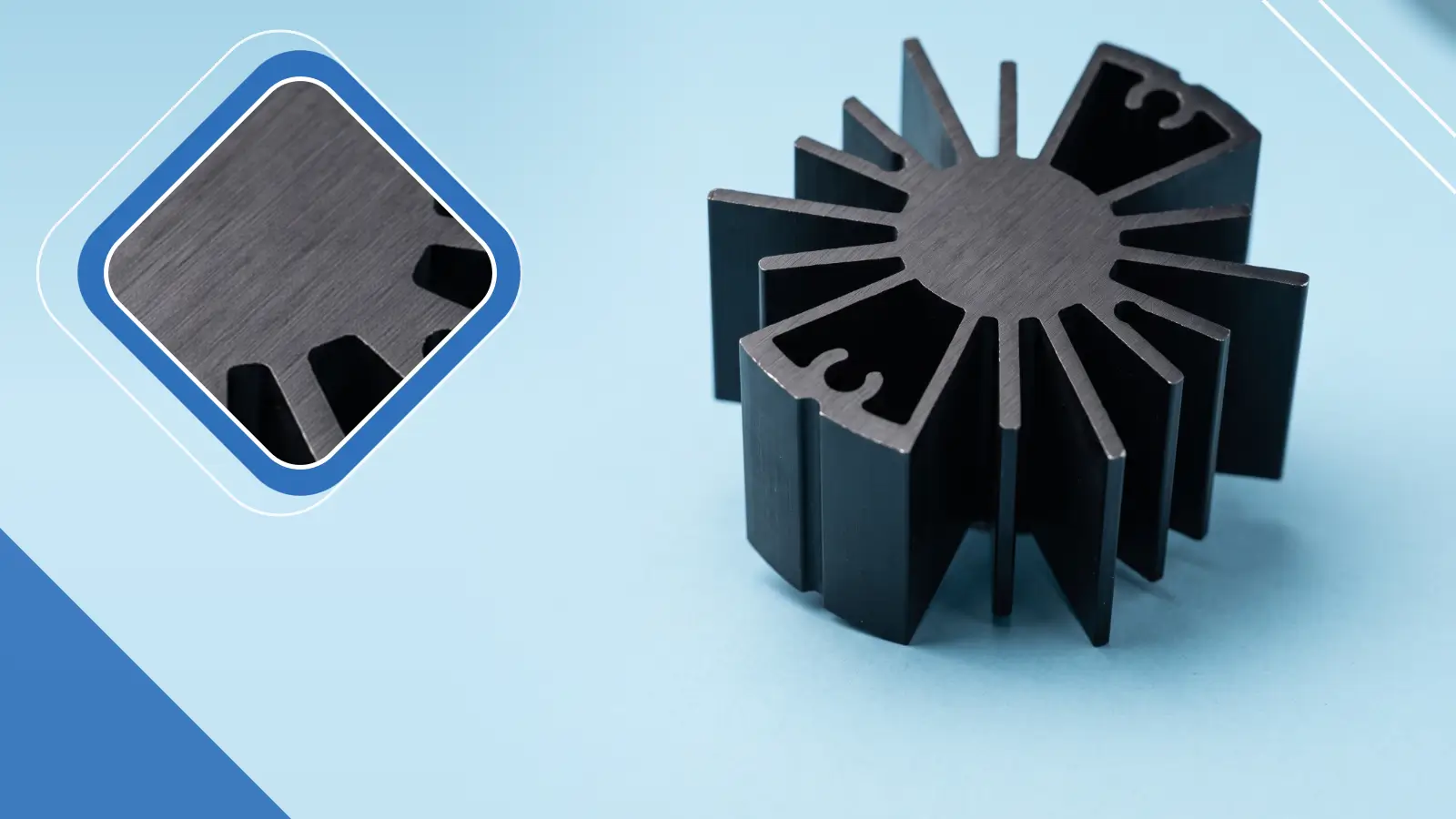
After anodizing, the part is immersed in a dye solution so the color is absorbed into the oxide layer. This gives colors such as gold and black in clear, defined shades.
Metal salts are deposited inside the pores using electric current. It is mostly used for darker shades and offers good light fastness.
The silver produced by anodizing without any added color, well suited to clean modern designs.
The eye is influenced by lighting and viewing angle, so a color meter is used to compare every batch with an approved reference sample. The meter gives a numeric difference between the two colors, known as Delta E, and its scales are designed so that a difference of about 1.0 is roughly the smallest change the eye can notice. Samples should also be compared under more than one light source, because two colors can match under one light and differ under another.
Not all dyes resist ultraviolet light equally. Some organic dyes, especially reds and blues, fade more easily, while gold and black formed by inorganic methods are more light-fast. For outdoor use, ask about the color type and its light fastness, not just how it looks.
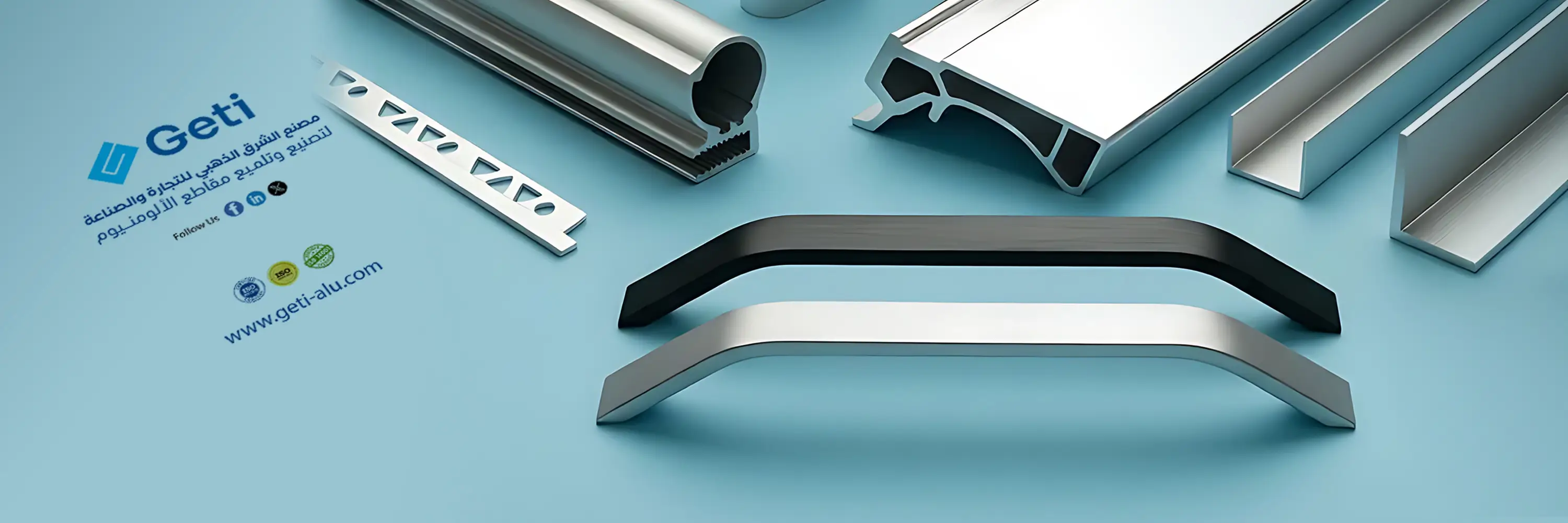
Golden East Trading & Industry (GETI) anodizes in silver, gold, and black, with bright, matte, and brushed finishes. For mirror frames specifically, rose gold and copper are also available. We use a color meter to compare every batch with the approved sample, and we measure layer thickness according to ISO 7599, because consistent thickness is a basic condition for consistent color.
Usually because of differences in layer thickness, dye conditions, or alloy. The fix is an approved reference sample and instrument color measurement for every batch.
Well-fixed and well-sealed color lasts a long time, but some dyes resist UV less, so choose light-fast colors for outdoor use.
Color control in anodizing combines chemistry, precise measurement, and experience. The result is not just a beautiful color, but a consistent color that repeats in every part and lasts for years.
Have a project? Request a quote from GETI.



 English
 العربية