
Blogs
Home > Blogs
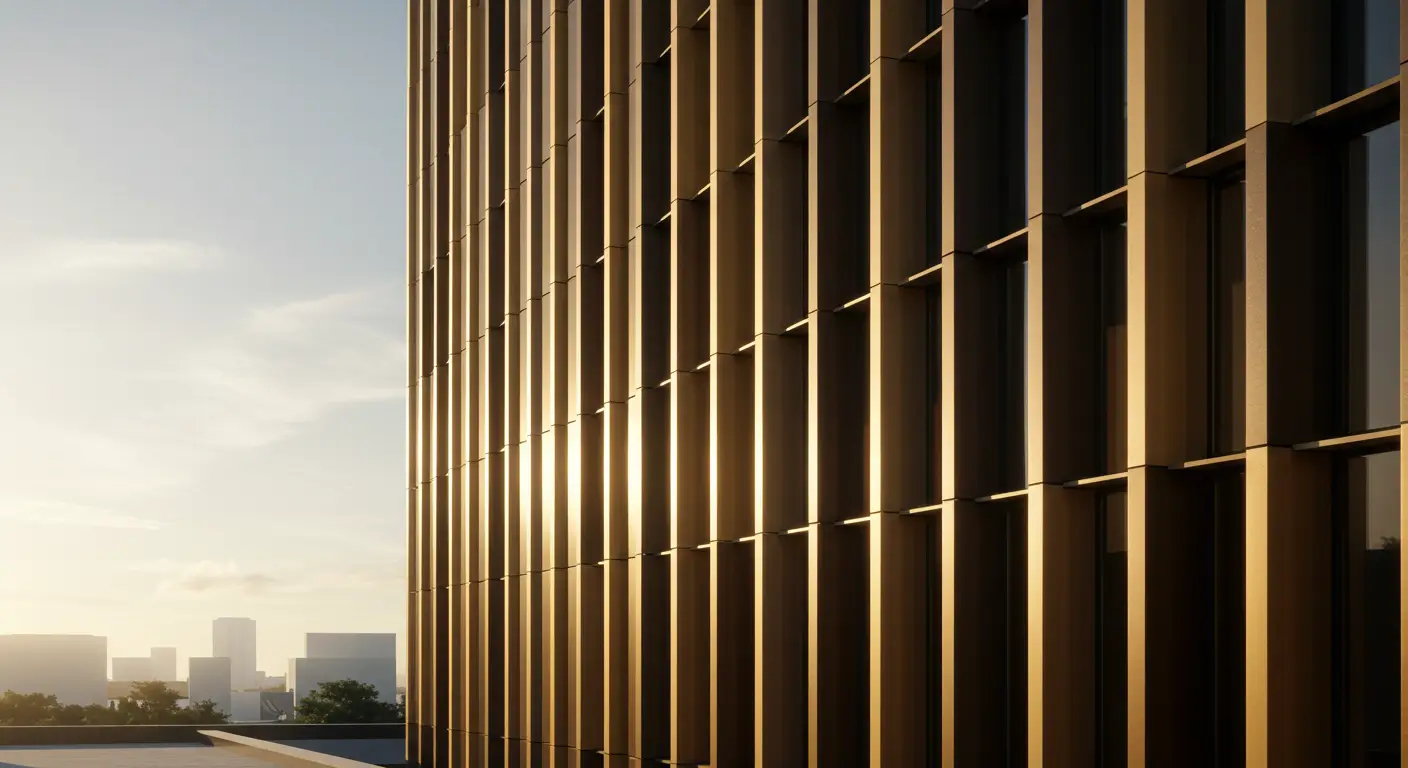
Anodizing has become a core design tool in contemporary architecture, especially for building facades, exposed metal elements, and interior details. Architects today want more than a metal that survives. They want a surface that keeps its color and texture for years and works well with glass, stone, and wood.
This article explains why designers choose anodized aluminum, what it brings to a design, and how to choose the right finish for your project.
The anodized layer is grown from the aluminum itself, so it is part of the metal rather than a coating on top. It does not peel the way paint does, and it gives the surface higher hardness than bare aluminum. For a designer, that means fine details at edges and corners stay clean and sharp over time.
In anodizing, the color is a dye absorbed into the pores of the oxide layer, which are then sealed. The surface keeps the natural depth of the metal instead of being covered by an opaque coating, giving a metallic appearance that paint struggles to imitate.
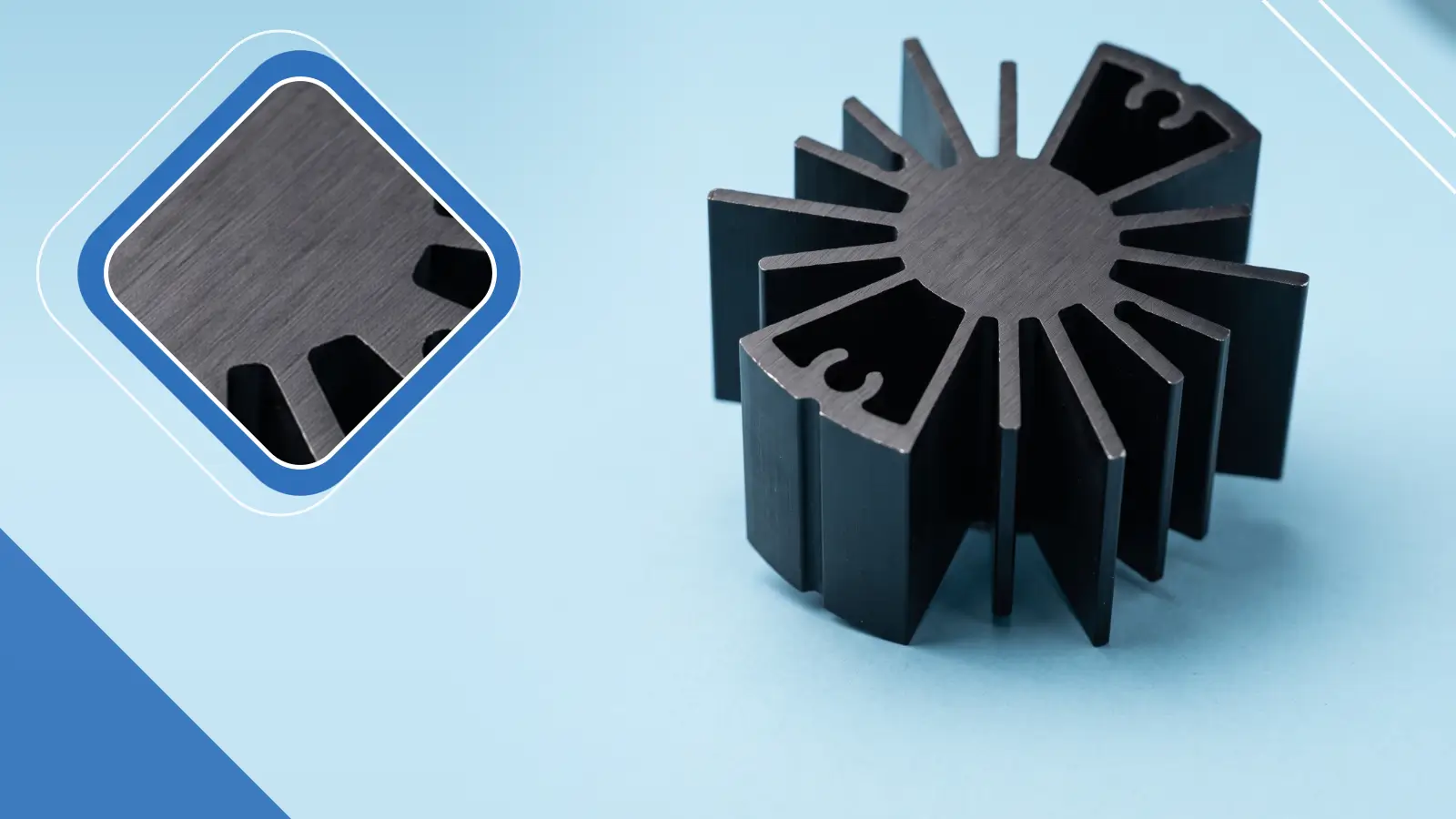
Finishes range from bright and reflective, to calm matte that reduces glare, to brushed with fine lines for a refined industrial feel. This range lets designers control how a space feels, especially as daylight changes across a facade.
Silver suits glass and minimal modern designs, gold adds warmth next to marble and wood, and black creates strong contrast in contemporary facades and interiors.
Anodized aluminum is cleaned with water and mild detergent and never needs repainting. That lowers operating costs over the life of the building.
Anodizing does not rely on solvent-based organic paints, and anodized aluminum remains recyclable, which fits the move toward lower-impact building materials.
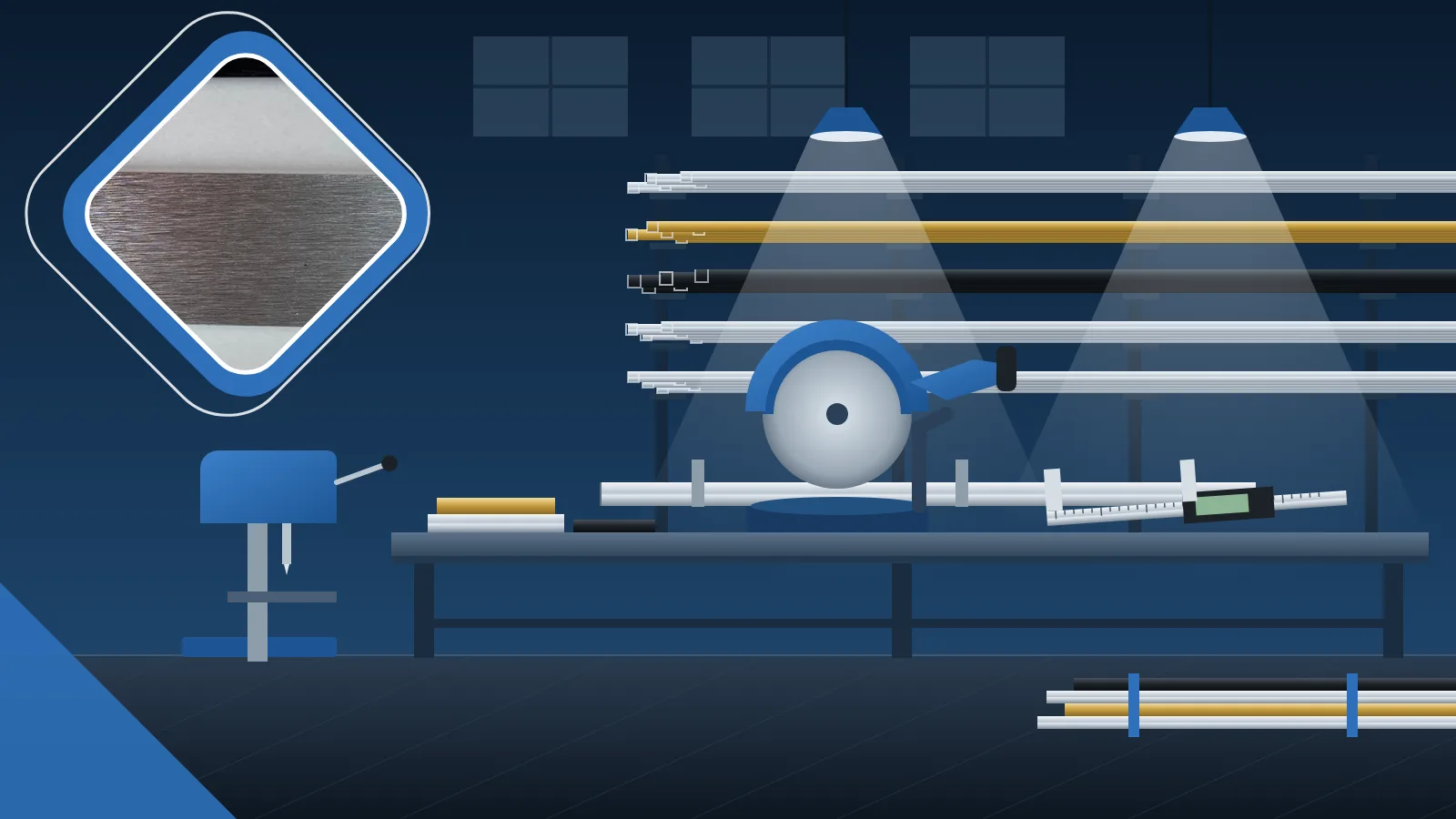
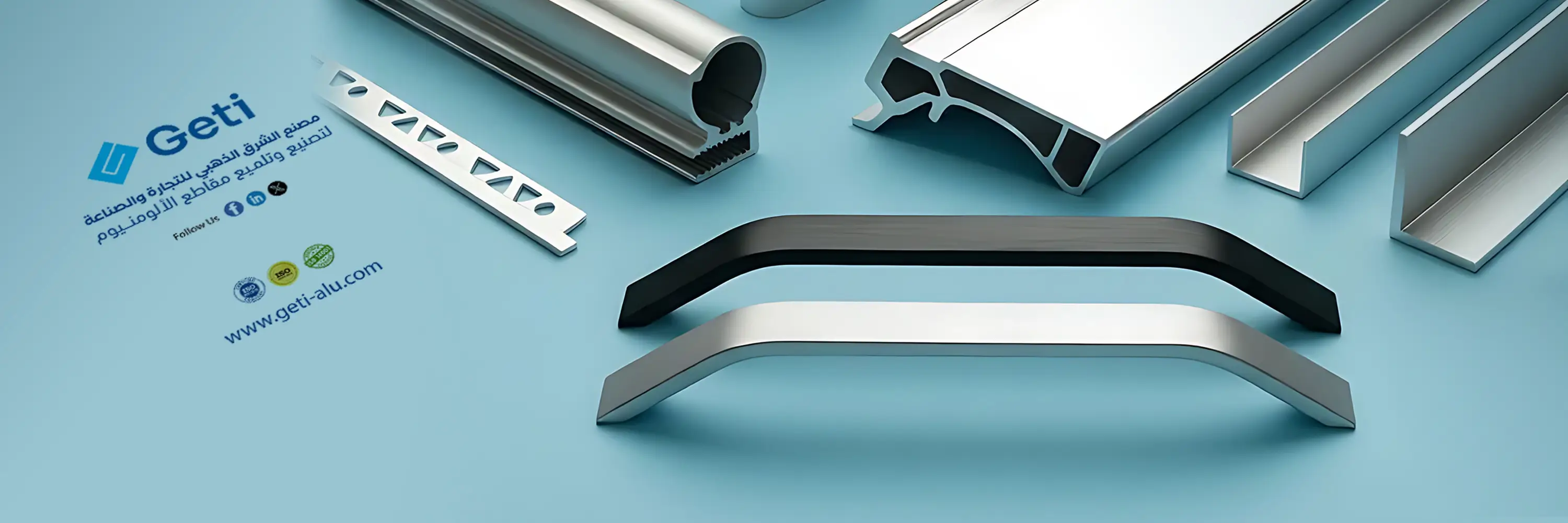
Golden East Trading & Industry (GETI) anodizes architectural and decorative profiles in silver, gold, and black, with bright, matte, and brushed finishes and lengths up to 2.5 meters. We measure layer thickness according to ISO 7599 and use color and gloss meters so every profile in a project has the same appearance.
Yes, as long as the layer thickness suits outdoor exposure, the sealing is good, and the surface gets simple periodic cleaning.
No, because the color sits inside the oxide layer, not on top of it. Some dyes can be affected by long-term UV exposure, so light-fast colors are recommended for facades.
Anodizing gives architects a metal that combines durability and beauty: stable color, controlled texture, and little maintenance. When the right thickness and finish are chosen from the start, a project keeps its appearance for many years.
Have a project? Request a quote from GETI.


 English
 العربية