
home > Blogs
CONTENT
A street lighting fixture runs unattended for years, in direct sun, rain, and dust, with no one checking on it — which is exactly why the heat sink inside it has to keep working without maintenance. When an LED chip runs hotter than it should, it doesn't fail dramatically; it just loses brightness and lifespan faster than the fixture's rated years, quietly, invoice by invoice. This guide looks at why aluminum is the material street lighting manufacturers actually specify for the heat sink, and what to look for in a supplier for this specific application.
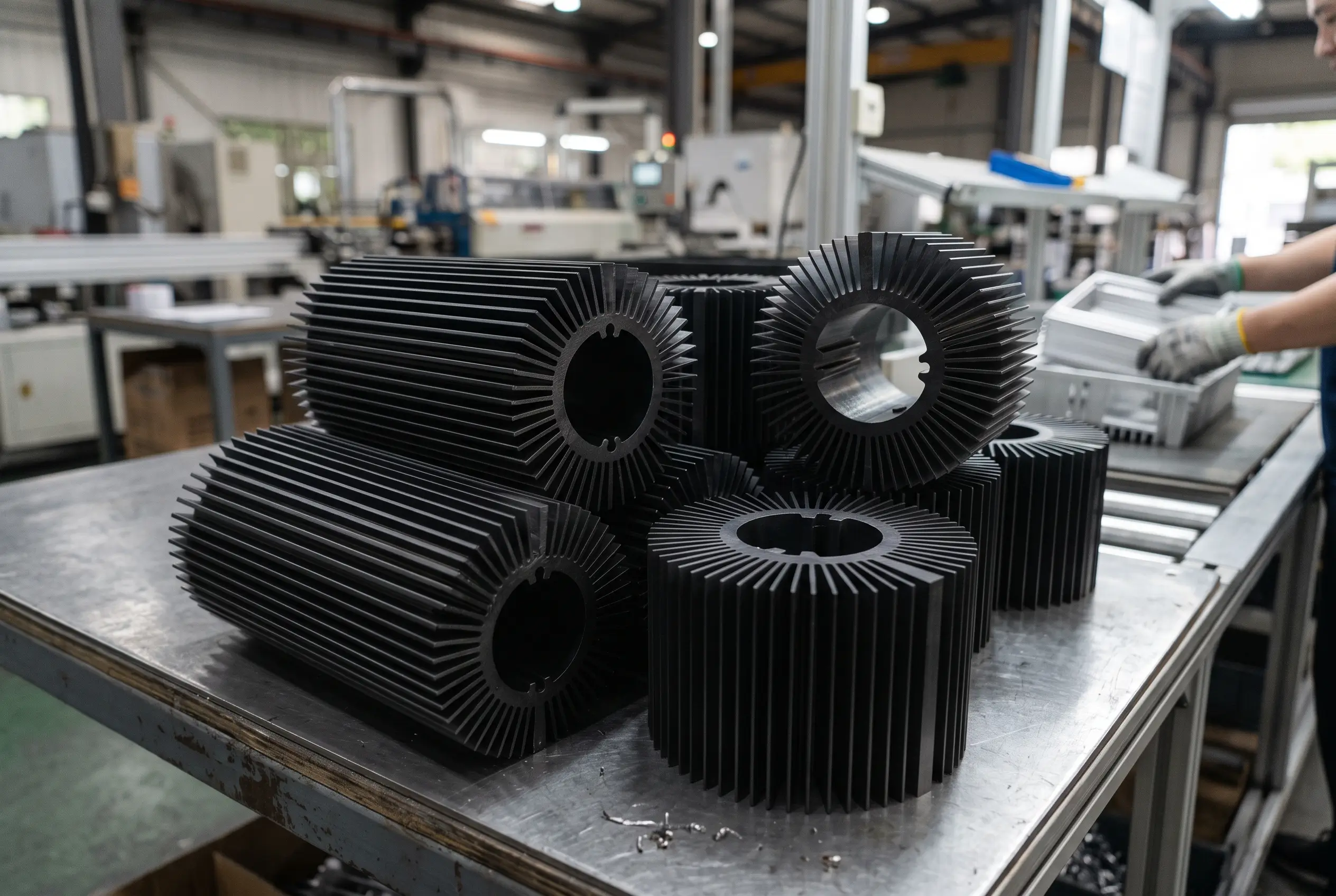
An LED chip converts only part of its input power into light; the rest becomes heat that has to leave the fixture, or the chip's junction temperature climbs and its output and rated lifespan drop faster than the datasheet promises. The heat sink is the only thing standing between that heat and the LED chip — its material, surface area, and finish determine how effectively the fixture actually performs over years of unattended outdoor operation, not just on day one.
Copper conducts heat slightly better than aluminum in a lab comparison. But once you add the factors that actually matter for a street lighting pole — the weight a mounting arm has to carry at height, the cost per fixture at production volume, and how easily the metal can be shaped into fins and heat-dissipating geometry — aluminum moves ahead of copper as the practical first choice for this application. That is why the aluminum industry itself ranks aluminum first for heat sink applications once these practical factors are counted, not just raw thermal conductivity in isolation.
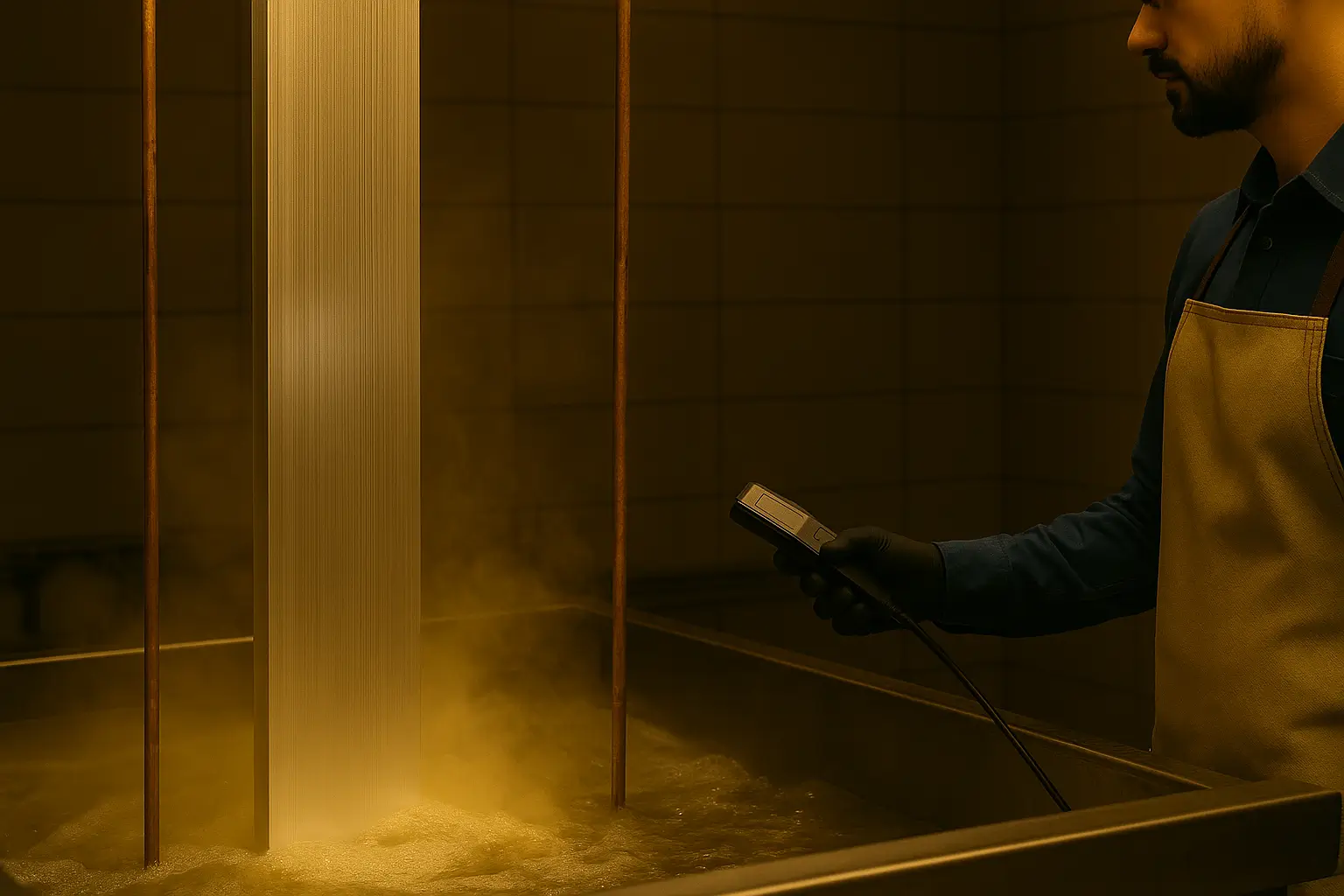
A heat sink sitting in a server room never sees rain or UV exposure; a heat sink inside a street light fixture sees both, every day, for years. Anodizing is not a paint layer sitting on top of the aluminum — it's an electrochemical process that converts the surface itself into a hard oxide layer, which is why an anodized finish doesn't flake or peel the way exterior paint eventually does. For a component that has to survive years of weather exposure without a repaint, that difference is the reason anodized aluminum heat sinks hold up in street lighting where a painted or untreated surface would degrade.
A street light housing isn't a generic rectangle — its fin spacing, mounting points, and overall envelope are dictated by the fixture's optical design and the pole hardware it has to fit. GETI produces aluminum parts to a manufacturer's own engineering drawing rather than a fixed catalog shape, which matters for a heat sink specifically because its thermal performance depends on exact fin geometry, not just “aluminum in roughly the right size.”
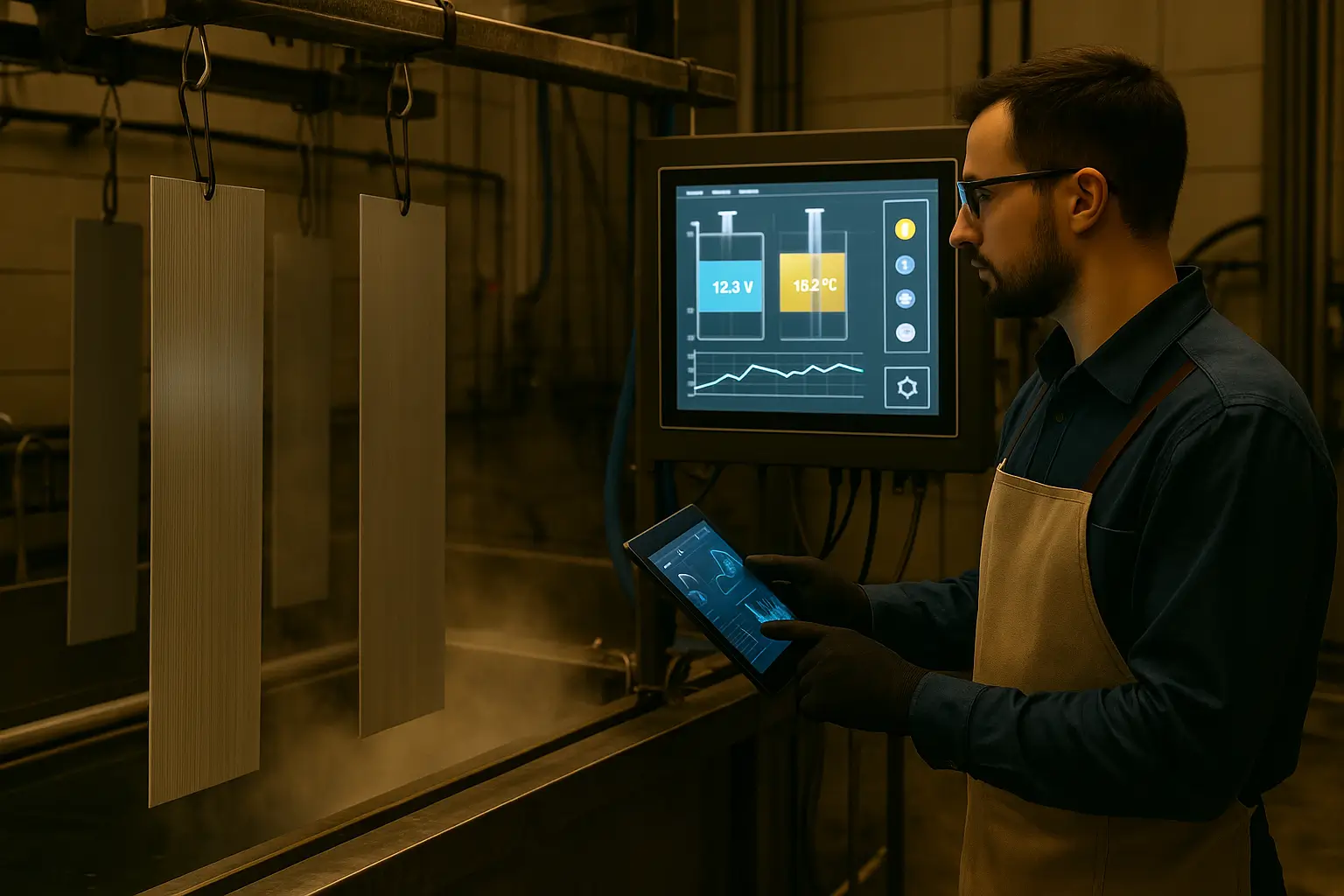
A fixture manufacturer ordering heat sinks in volume needs the same part performing the same way, batch after batch — a heat sink with inconsistent surface finish or anodizing thickness is a hidden risk for premature failures across a whole lighting installation. GETI's anodizing is controlled to ISO 7599 for coating thickness and quality, backed by in-house measuring equipment for color consistency, surface roughness, and gloss, and the factory holds ISO 9001, ISO 14001, and ISO 45001 certifications.
LED fixture manufacturers selling internationally are increasingly asked to confirm that their components are free of restricted hazardous substances. The aluminum raw material GETI uses is sourced from suppliers whose material is RoHS-compliant, which carries through to the finished heat sink — a detail worth confirming directly with GETI for any specific compliance documentation your export market requires.
For LED street lighting, the heat sink is not a passive metal bracket — it's what protects the fixture's rated lifespan against years of unattended outdoor heat and weather exposure. Aluminum's practical advantage in weight, cost, and formability, combined with an anodized finish built for outdoor durability and fin geometry matched to your fixture's design, is what separates a heat sink that performs for its full rated life from one that quietly underperforms.
To discuss custom fin geometry, volumes, or a technical drawing for your fixture, contact the Golden East (GETI) team directly via WhatsApp or through the “Contact Us” page at geti-alu.com.


 English
 العربية