
Blogs
Home > Blogs
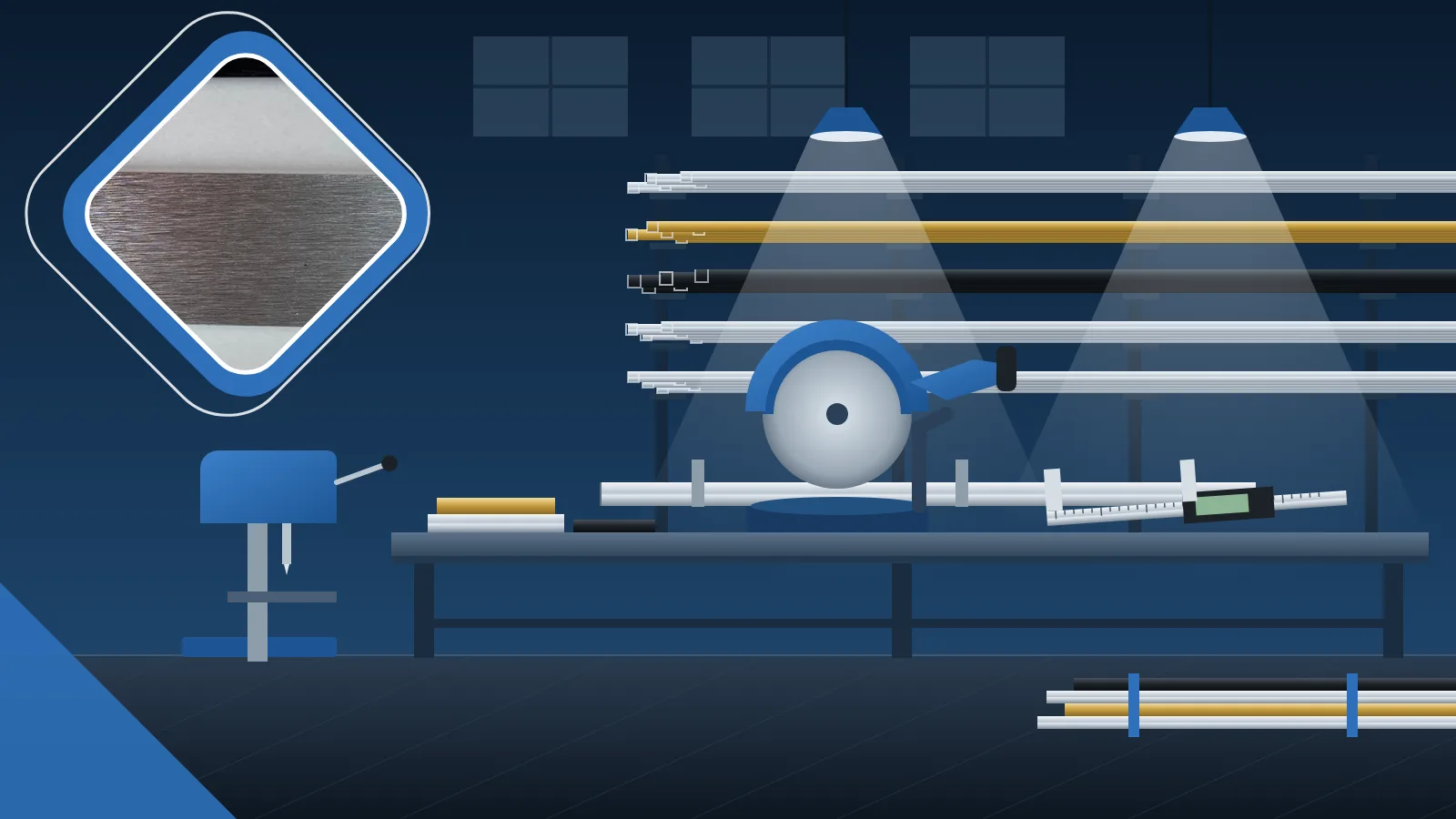
A trader resells a profile as it is. A forming workshop cuts, drills, bends, welds and finishes it. That is why choosing an aluminum supplier for workshops and factories is not a price decision alone: any weakness in the raw material shows up mid-production as a gap in an assembly, a rejected batch, or a missed delivery date. This guide lists seven practical criteria to check before you commit to a supplier.
Ask for the tolerance range on wall thickness and cross-section dimensions in writing, in the quotation or purchase order, not a general "high quality" promise. A workshop that welds or assembles several profiles needs the same dimensions batch after batch; even a small drift is enough to throw off an assembly jig or leave a visible gap. When a delivery arrives, measure a few pieces from the start, middle and end of the batch with a caliper before cutting.
The alloy decides how the material behaves when you cut, drill, bend and weld it. 6063 is the most common alloy for aluminum extrusion: it forms complex shapes with very smooth surfaces suitable for anodizing, and it is weldable with TIG. Keep in mind that the area next to a weld loses part of its strength, so parts that need higher strength usually move to stronger alloys such as 6061. At GETI, 6063 is the main alloy on the anodizing line, and other anodizing-grade alloys can be handled on request.
A workshop job often starts from a client drawing, not a catalog page. Ask directly whether the supplier can produce non-standard cross-sections or lengths from a drawing, what information the drawing must include, and how much lead time a custom order needs.
When a project spans several deliveries, a color or thickness difference between the first and third batch becomes your problem to explain to your client. Ask how anodizing thickness is measured and whether a reference sample is kept to compare new batches against. GETI measures anodizing thickness according to ISO 7599, the international standard for decorative and protective anodic coatings on aluminum.
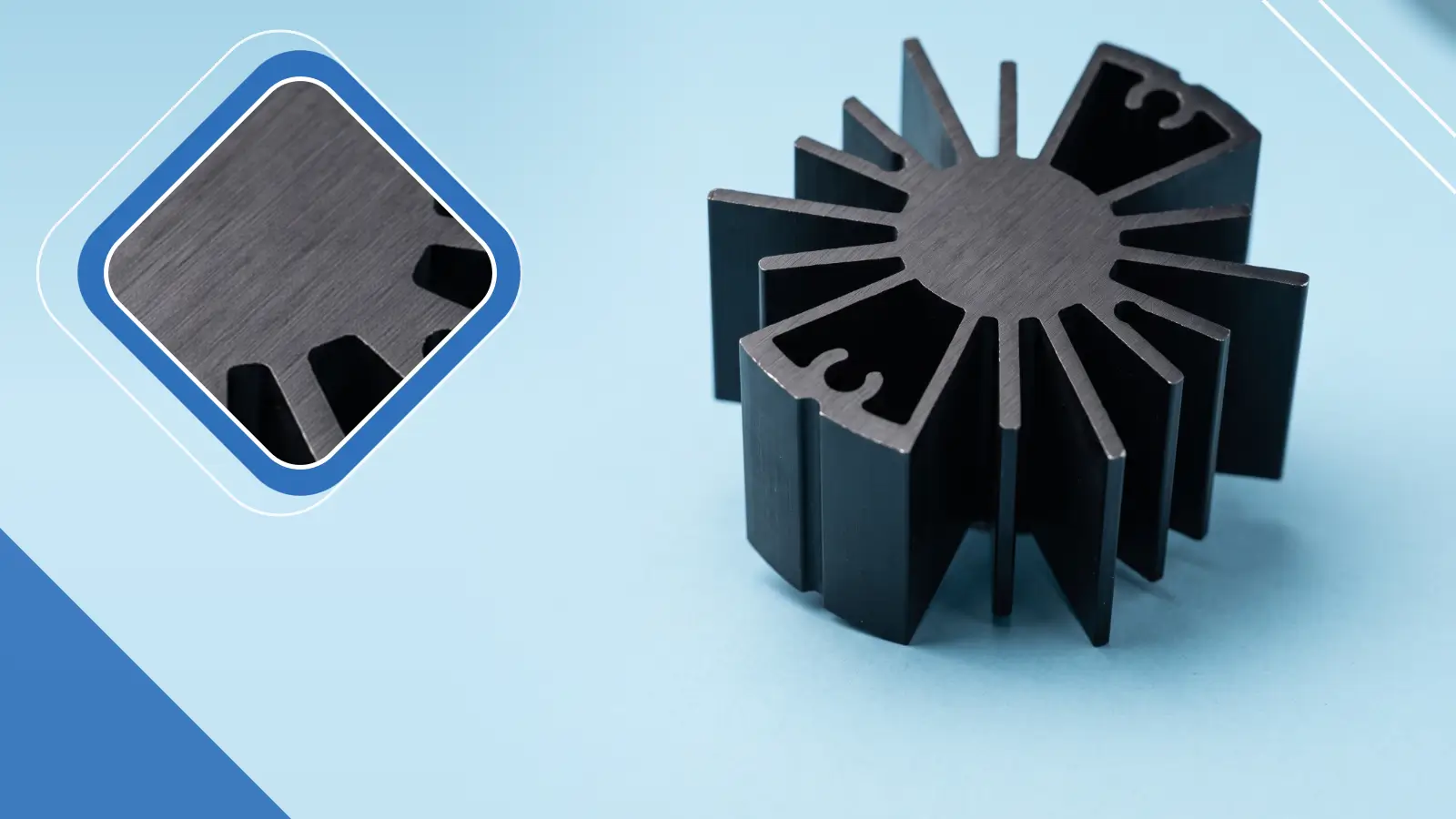
Starting from the right base finish can save a whole processing step, so check what is available before assuming a finish needs a special order. GETI offers three colors — silver, gold and black — each in six finish combinations: glossy or matte, in smooth, fine-brushed or coarse-brushed texture.
Workshop orders are less predictable than a trader's steady bulk orders: a rush job for one client, a larger run for another. Ask plainly whether the supplier accepts smaller, more frequent orders without penalizing you on price or pushing you to the back of the queue, and what the realistic lead time is for each.
When a batch behaves unexpectedly on your machines, slow support costs you production time. A supplier who answers technical questions directly, by phone or WhatsApp, instead of routing you through a general sales inbox, is the one worth building a repeat relationship with.
An aluminum supplier for workshops and factories has to deliver material that performs under your own tools, not just looks right on a shelf. Check tolerances, alloy, custom-size support, batch consistency, ready finishes, order flexibility and direct technical support, and you will have a supplier you can build repeat production around.
To request technical specifications, a quotation, or to discuss a custom profile for your workshop, contact the Golden East (GETI) team directly via WhatsApp or through the "Contact Us" page at geti-alu.com.
· Aluminium Forming & Machining
· Chemical Processing (Anodizing)
Have a project? Request a quote from GETI.


 English
 العربية