
Blogs
Home > Blogs
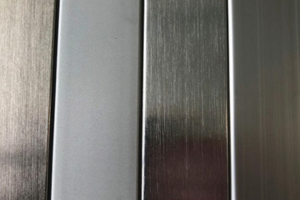
Anodizing is not one process with fixed specifications. It is a family of processes that differ in electrolyte, layer thickness, and properties. Choosing the right type determines how well a part resists corrosion and wear, how it looks, and what it costs. This article covers the main types of anodizing, where each is used, and how to choose the right one for your product.
Produces a very thin layer compared with other types, keeps part dimensions almost unchanged, and has little effect on the fatigue strength of the metal. It has long been associated with aerospace and military applications. Its use is declining worldwide because of environmental and health restrictions on hexavalent chromium compounds.
The most widely used type in the world for decorative and protective anodizing. It gives a medium-thickness layer with pores that take dye easily, combining corrosion protection with an attractive appearance. It is used for architectural profiles, appliance handles, shower cabin profiles, accessories, and decorative parts. ISO 7599 covers this kind of decorative and protective anodic coating.
Runs under different conditions (lower temperature and higher current density) to produce a much thicker and harder layer, suited to parts exposed to heavy wear, such as industrial equipment components, pistons, and cylinders. Its appearance is usually darker, its color options are limited, and it has its own standard, ISO 10074.
Coloring is not a separate type of anodizing but a step after the layer is formed. The most common methods are:
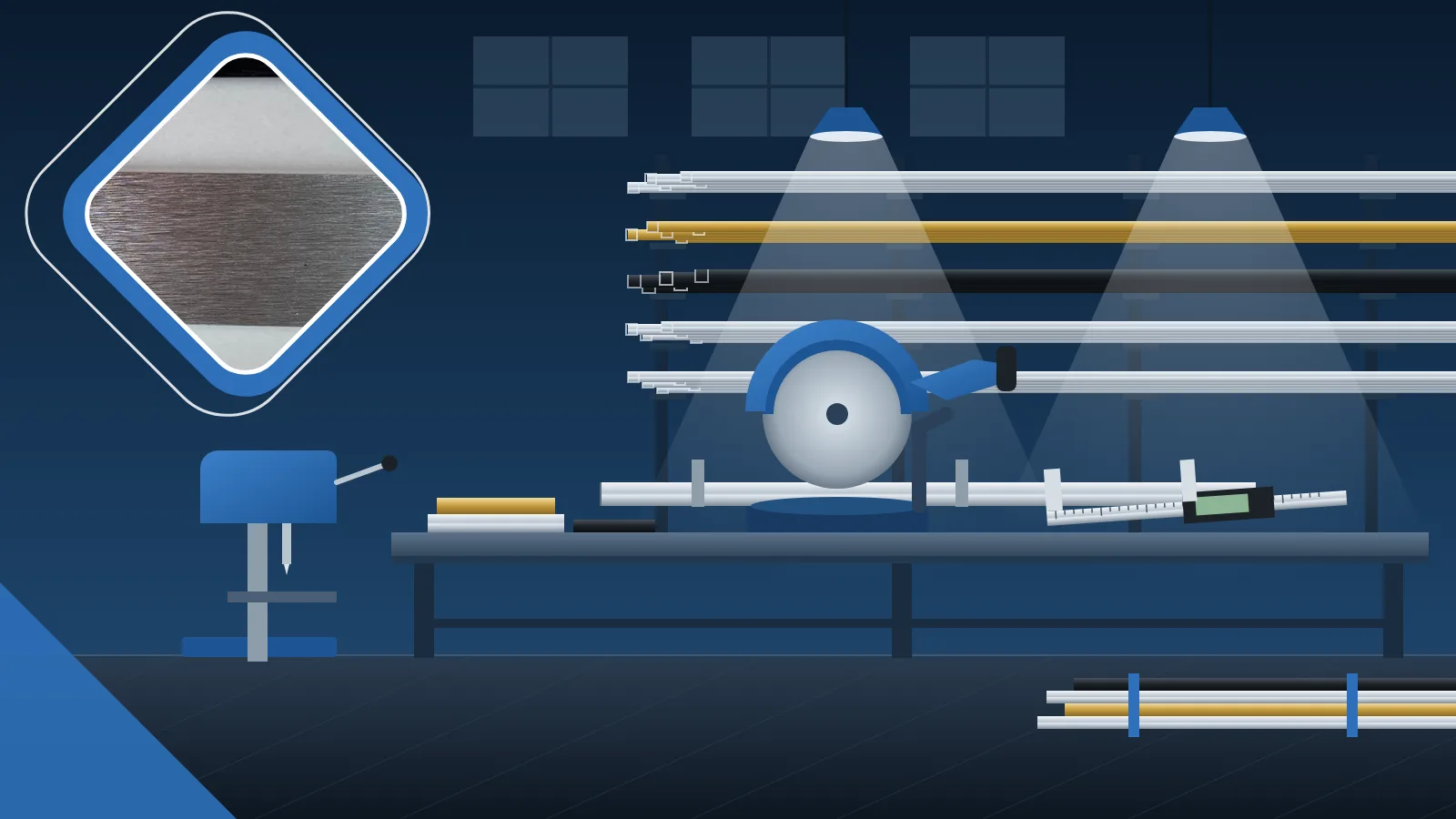
Besides the anodizing type, surface preparation before anodizing decides the final look. Chemical polishing gives a bright finish, while etching or sanding gives a matte or brushed finish. Agree on the finish with your supplier along with the anodizing type and color.
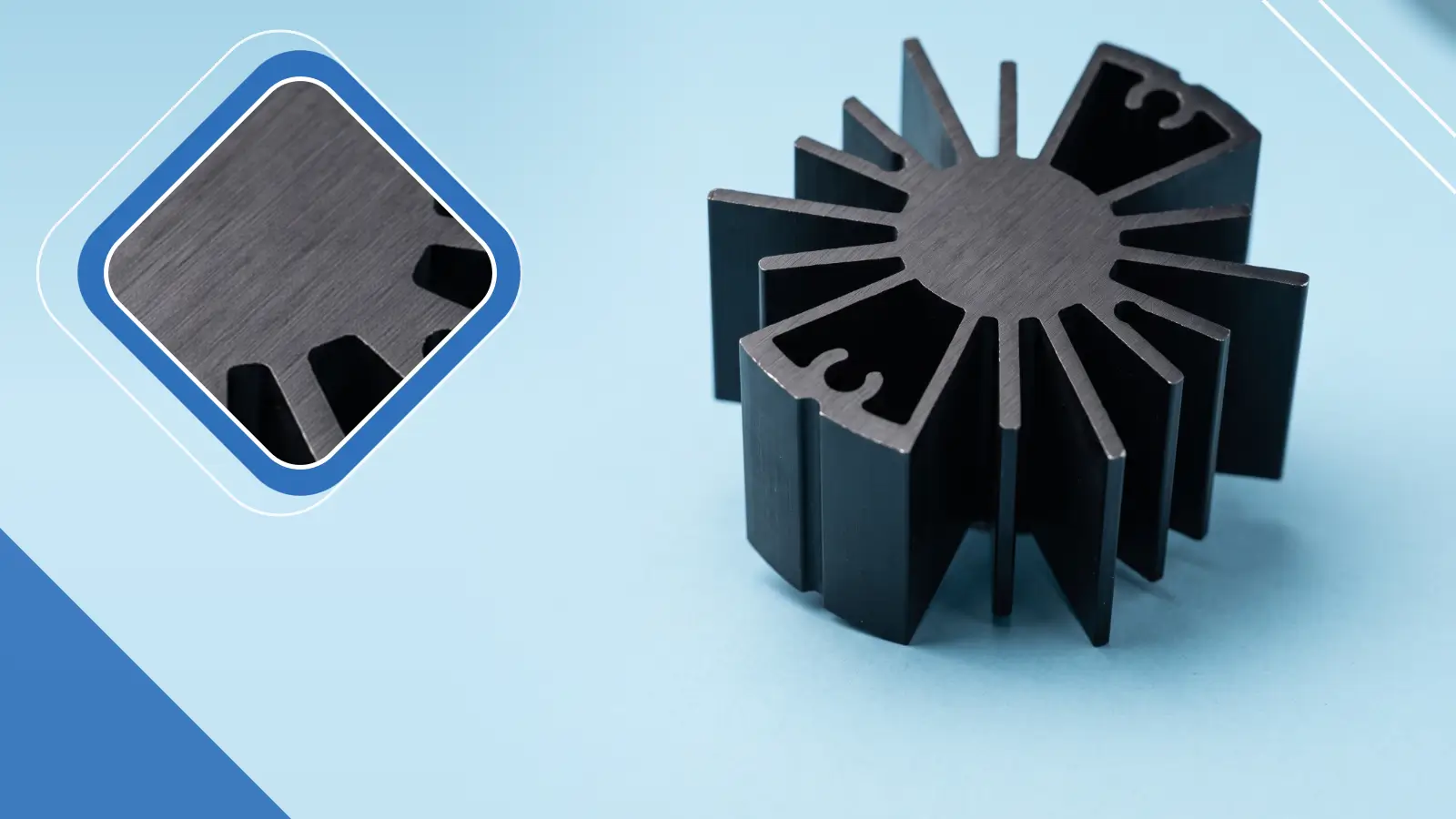
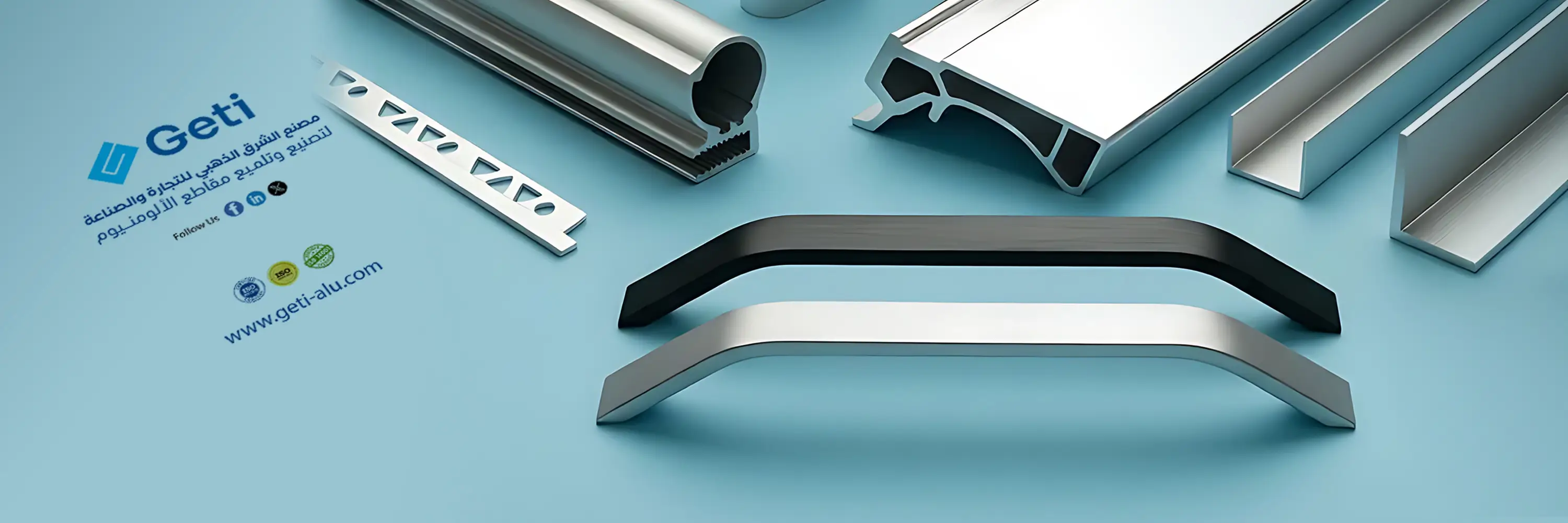
Golden East Trading & Industry (GETI) provides decorative and protective anodizing for aluminum profiles in silver, gold, and black, with bright, matte, and brushed finishes, for products such as appliance handles, shower cabin profiles, heat sinks, and decorative profiles. We measure layer thickness according to ISO 7599.
Type II is a medium-thickness layer that accepts color and suits decorative and protective uses. Type III is a thicker, harder layer designed for wear resistance in engineering applications.
No. Anodizing gives a metallic look in specific colors, and the range differs between factories, so ask your supplier for its actual colors and request a sample.
Choosing the right anodizing type starts with one simple question: what does the part need most, appearance, wear resistance, or dimensional precision? The right answer improves product quality, extends its life, and lowers maintenance costs.
Have a project? Request a quote from GETI.


 English
 العربية